
Bali
The enchanting island of Bali, where vibrant culture, lush landscapes, and spiritual wonders converge to create an unparalleled travel experience is one of the hotspots of tourism in East Asia. Nestled in the heart of Indonesia, it beckons with its diverse tapestry of ancient temples, pristine beaches, and emerald rice terraces. Join us on a virtual journey as we unravel the mystique of this tropical paradise, offering you a glimpse into the rich tapestry of Bali’s traditions, the allure of its natural wonders, and the vibrant pulse of its bustling markets. From the rhythmic dances that tell tales of ancient legends to the serene beaches that invite peaceful reflection, our exploration of Bali is a celebration of the island’s unique blend of spirituality, artistry, and natural beauty.

Temples
Since Bali has a majority of Hindu population, it has exquisite temples, each offering a unique blend of architectural brilliance, spiritual significance, and cultural richness. These temples, often referred to as “Pura” in the local language, are integral to the island’s Hindu traditions. Temples play a central and profound role in the lifestyle of the Balinese people, shaping their cultural, spiritual, and social practices. Each house has its own temple in the courtyard. The grandeur of the temple varies with the wealth of the owner of the house. The Balinese Hindu philosophy of “Tri Hita Karana” emphasizes the harmony between humans, nature, and the divine. he layout, including courtyards and various structures within the temples, often reflects the principles outlined in Vedic texts and other classical Hindu scriptures.

Temples serve as symbolic and practical embodiments of this philosophy, promoting balance and unity in daily life. They are sacred spaces where Balinese Hindus come to worship and perform rituals to honor their deities simultaneously serving as focal points for communal activities, fostering a strong sense of community. Festivals, ceremonies, and religious events take place in the temples. Balinese temples are often strategically located, reflecting a deep connection with the island’s natural landscape. Locals believe that temples act as protective guardians for the communities they serve.
Festivals
Bali, known as the “Island of the Gods,” is rich in cultural and religious traditions, and its festivals are vibrant celebrations that showcase the island’s artistic, spiritual, and communal aspects. Some of the important festivals are as under:
1. Nyepi (Day of Silence):
- Date: Usually falls in March.
- Significance: Nyepi marks the Balinese New Year and is a day of complete silence, fasting, and reflection. It is a time for self-introspection, and the island comes to a standstill with no activities, lights, or even noise. No tourist activity takes place on this day.
2. Galungan and Kuningan:
- Date: Celebrated every 210 days, and Kuningan follows ten days later.
- Significance: Galungan marks the victory of Dharma (good) over Adharma (evil). Balinese Hindus believe that during this time, ancestors visit the earth. Kuningan is the day when they return to the spirit world.
3. Melasti:
- Date: Takes place a few days before Nyepi.
- Significance: Melasti is a purification ceremony where Balinese Hindus go to the beaches, lakes, or rivers to cleanse sacred objects and pray for the harmony of the universe.
4. Pagerwesi:
- Date: Celebrated every 210 days, three days after Saraswati.
- Significance: Pagerwesi is a festival dedicated to Sang Hyang Pramesti Guru, the God of all knowledge. It signifies the strong commitment of the Balinese people to maintaining a balance between spiritual and worldly matters.
5. Saraswati:
- Date: Celebrated every 210 days, two days before Pagerwesi.
- Significance: Festival of worshipping Dewi Saraswati, the goddess of knowledge, wisdom, and the arts. On this day, blessings given to books and sacred scriptures are, and importance is given to educational activities. Ring a bell?
6. Omed-Omedan:
- Date: Takes place a day after Nyepi.
- Significance: Omed-Omedan is a unique kissing festival held in the village of Sesetan. Unmarried young people participate in a playful kissing ritual to bring harmony to the community.
Celebration of Galungan and Kuningan
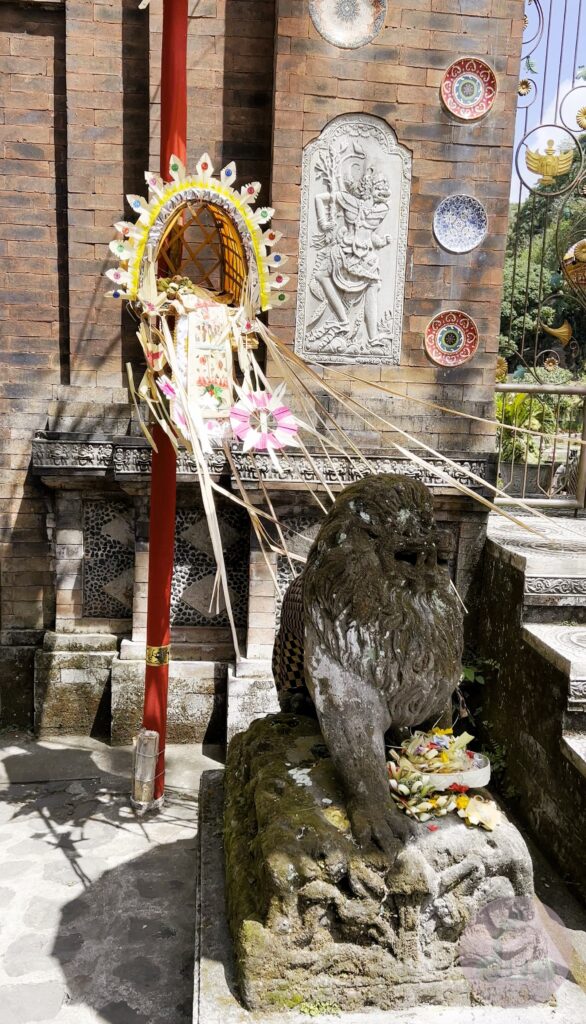
We visited Bali towards the end of Galungan festival and on Kuningan day. The roads and houses in Bali had these Bamboo poles called penjor. These poles stood along the streets and outside homes. There are specific rituals in Kuningan, such as the preparation of tampah penjor – a flat tray filled with various offerings placed on the penjor outside homes. It was a beautiful sight. During Kuningan, Balinese people often dress in traditional attire. Women wear colorful kebayas and sarongs, while men don traditional shirts called kamen paired with udeng (headpieces). We found the traditional dresses of women to very colorful and stylish.

Hinduism
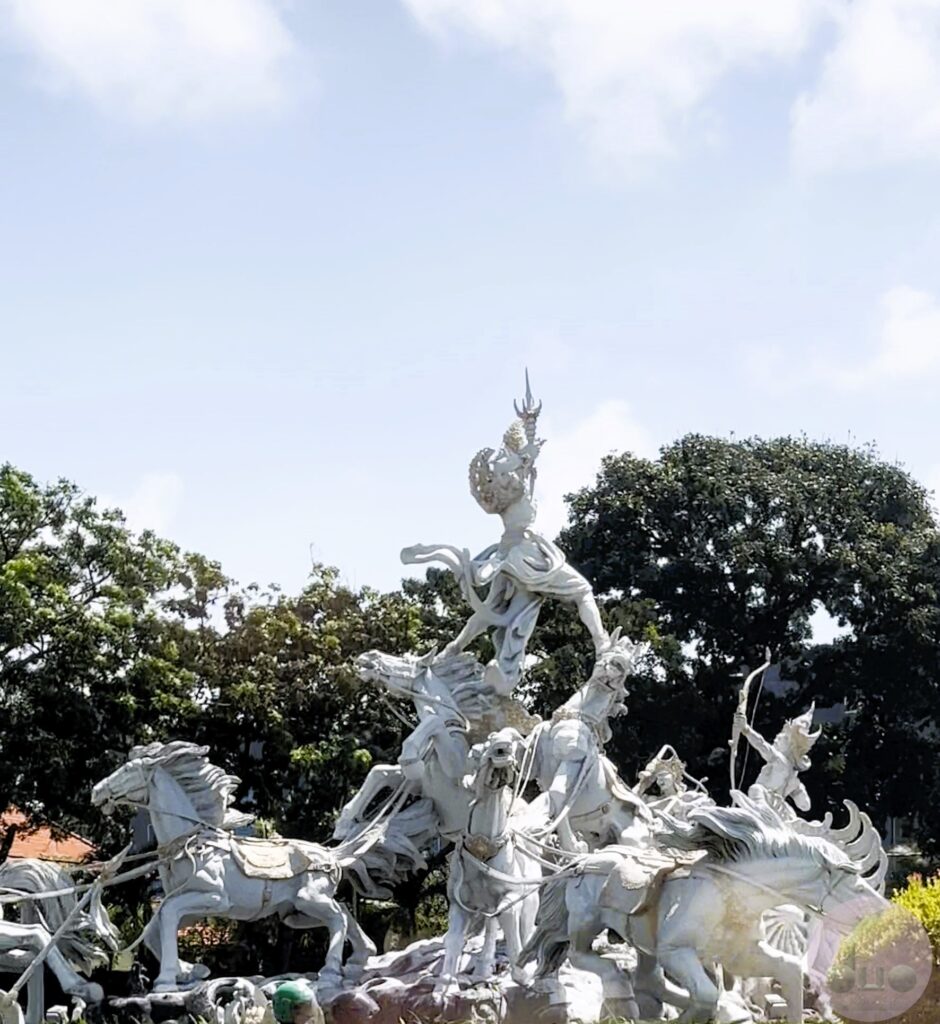
Although the Hinduism in Bali is distinct from the Hinduism in India, the Indian epics, particularly the Ramayana and the Mahabharata, are foundational texts. The stories, characters, and moral lessons from these epics are portrayed in various art forms, including dance, drama, and wayang kulit (shadow puppetry). The Puranas, which are a genre of ancient Indian literature containing mythological stories, cosmology, and legends, have a significant impact on Balinese mythology. Balinese Hindus incorporate Puranic stories into their religious practices, and many of these stories are portrayed in temple carvings and sculptures. Balinese Hinduism incorporates key philosophical concepts from Indian Hinduism, such as karma (law of cause and effect) and dharma (righteous duty).
Many ceremonial and life cycle events in Bali, including weddings, cremations, and tooth filings, are influenced by Hindu rituals and traditions described in Indian scriptures. Indian epics and myths are celebrated through various cultural expressions in Bali, such as dance dramas, traditional music, and visual arts. These performances often depict stories from the Ramayana and Mahabharata, contributing to the vibrant cultural tapestry of the island.

Landscapes
This island captivates tourists with its diverse and breath taking natural beauty. Its topography includes volcanic mountains, lush rice terraces, pristine beaches, stunning cliffs and vibrant cultural elements. Bali’s interior is adorned with dense tropical forests, especially in regions like Munduk and Bedugul. volcanic activity has created scenic crater lakes like Lake Batur, surrounded by the caldera and lush landscapes. The cliffs offer panoramic views, beautiful sunrises and sunsets. The nearby islands with rugged coastlines, vibrant coral reefs, and unique rock formations define the island-hopping experience. The gardens, waterfalls and rice fields captures all your imagination.
Structures in Bali are often made of black volcanic stone, commonly known as lava stone or paras. The island has several active and dormant volcanoes, and as a result, volcanic rocks and stones, including black lava stone, are abundant and easily accessible. The rich, dark color of black lava stone is aesthetically pleasing and complements the natural surroundings of Bali. It is often used for intricate carvings, sculptures, and decorative elements in temples and traditional Balinese architecture. The contrast of the black stone against the lush greenery and vibrant flowers creates a visually striking effect. The wide spread use of black stones from homes to temples to other important buildings caught our attention because of its uniqueness and appeal.
Waterfalls
Waterfalls play a significant role in shaping the diverse and captivating landscape of Bali. The island is home to numerous waterfalls, each contributing to the overall natural beauty and providing unique experiences for visitors. Each waterfall is different from the other allowing for an enthralling waterfall hopping experience. Most of the waterfalls involve quite a bit of trek and people with health issues should mot attempt. The views of the waterfalls are worth every bit of the trek. Even the smallest of the waterfalls is a beauty. Check out 5 amazing waterfalls in Bali.
We have segregated our entire trip into sections and provided details to help you plan your trip to Bali easily. So, fasten your seatbelt, embark on this visual odyssey, and let the magic of Bali transport you to a realm where every moment is infused with the spirit of discovery.
How to reach (Bali)
This post is all about how to reach the island of Bali from India. We have also covered in detail the Visa types to obtain before reaching Bali and the process of getting those Visa. We will also describe in detail the Indonesian currency, its exchange rates and how to get best exchange rates. There… Read More
Weather (Bali)
Bali, the Island of the Gods, boasts a tropical climate that beckons travelers year-round with its warm temperatures, lush greenery, and a symphony of sun and showers. Understanding the weather of Bali is key to planning a perfect escape to this paradise. Season Dry Season Wet season Months April-September October-March Average High Temperature 28 29… Read More
Accommodation (Bali)
Bali has become highly commercialized with tourists bustling all throughout the year. As a result, the hospitality sector is booming with many accommodation options in Bali like boutique hotels and homestays dotting the entire landscape. The range of accommodation available in Bali are incredible. From ₹500 per person per day to ₹50,000 per person per… Read More
Transportation (Bali)
Bali, known for its stunning landscapes, offers a variety of transportation options for travellers to explore the island. Whether you are seeking the flexibility of independent travel or the convenience of guided tours, Bali has a transportation solution for every type of adventurer. Scooters and Motorbikes: Renting a scooter or motorbike is a popular and… Read More
Food (Bali)
Balinese cuisine is a rich tapestry of flavors, influenced by indigenous ingredients, regional traditions, and cultural nuances. The food of Bali is a captivating fusion of vibrant spices, aromatic herbs, and a balance of sweet, savory, and spicy elements that tantalize the taste buds and reflect the island’s diverse cultural influences. From succulent satays grilled… Read More
Itinerary & Budget (Bali)
This article is focused on the most important aspect of travel planning which is Itinerary and budget for Bali. Since, we plan our own trips and recommend you do the same, we have provided an in depth detail on how to plan your trip, which places to cover in the days available and what will… Read More
Suggestions (Bali)
Bali stands unequivocally among the most captivating destinations for travelers. Drawing insights from our own enriching journey, we are eager to offer valuable suggestions and tips on Bali for those contemplating a visit. Our firsthand experiences underscore the unique charm and cultural richness that Bali exudes, making it a must-visit destination. Here, we share practical… Read More
Itinerary & Budget (Tamil Nadu)
Tamil Nadu is a big state. And, as we mentioned in previous posts, it might not be practical to cover the entire state in a single trip unless you plan to stay for nearly 15-20 days with constant travelling. However, you may cover most of the popular places in 7-10 days itinerary. As far we… Read More
Itinerary & Budget for Meghalaya
Our experience says that no amount of itinerary and budget preparation can do justice to the wonder that is Meghalaya. It is a jackpot for any nature lover. Still untouched by commercialization and rooted in respect and bonhomie with nature, it offers what many places lack in India. If you cannot visit Bali for whatever… Read More