
Mawlynnong India’s Cleanest Village
The cleanest village in India is in Meghalaya. Mawlynnong is around 80km which is a drive of 2.5-3 hours away from Cherrapunji. It is a little off the way around 15km enroute Dawki. There is huge parking area infront of the village entrance. The village entry fee is ₹100 per person. Around the parking area you will find paid toilets, and different types of restaurants where you can have a meal or snack. We recommend having the local thali in any of one of these restaurants as per your liking.
Mawlynnong Village
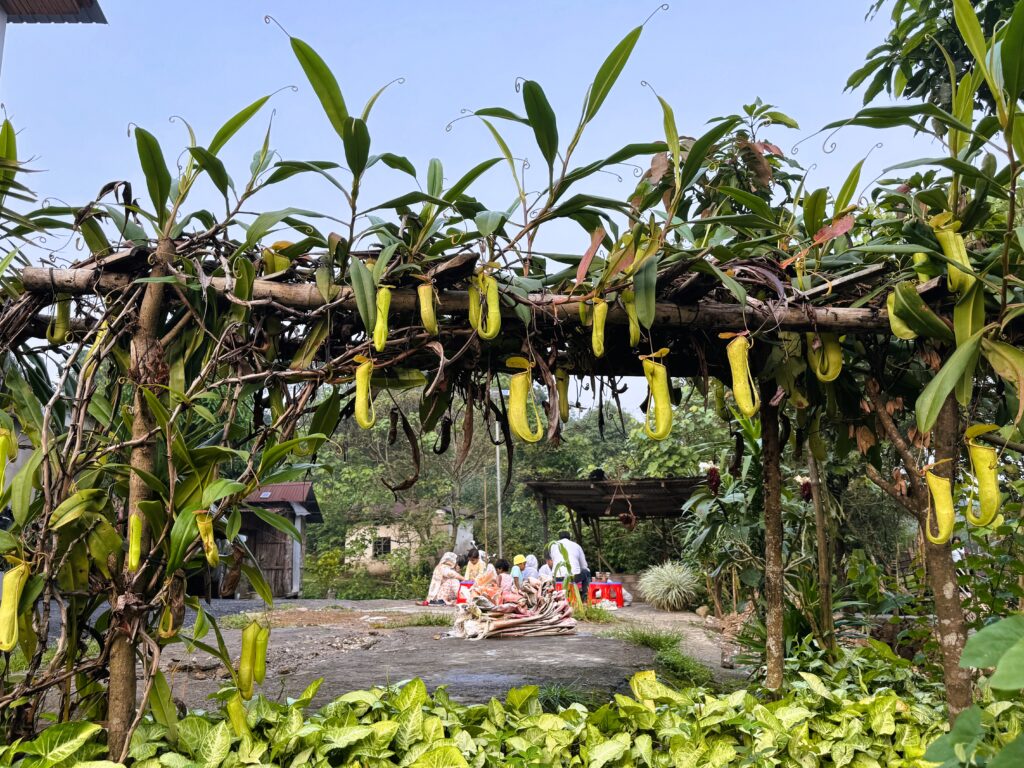
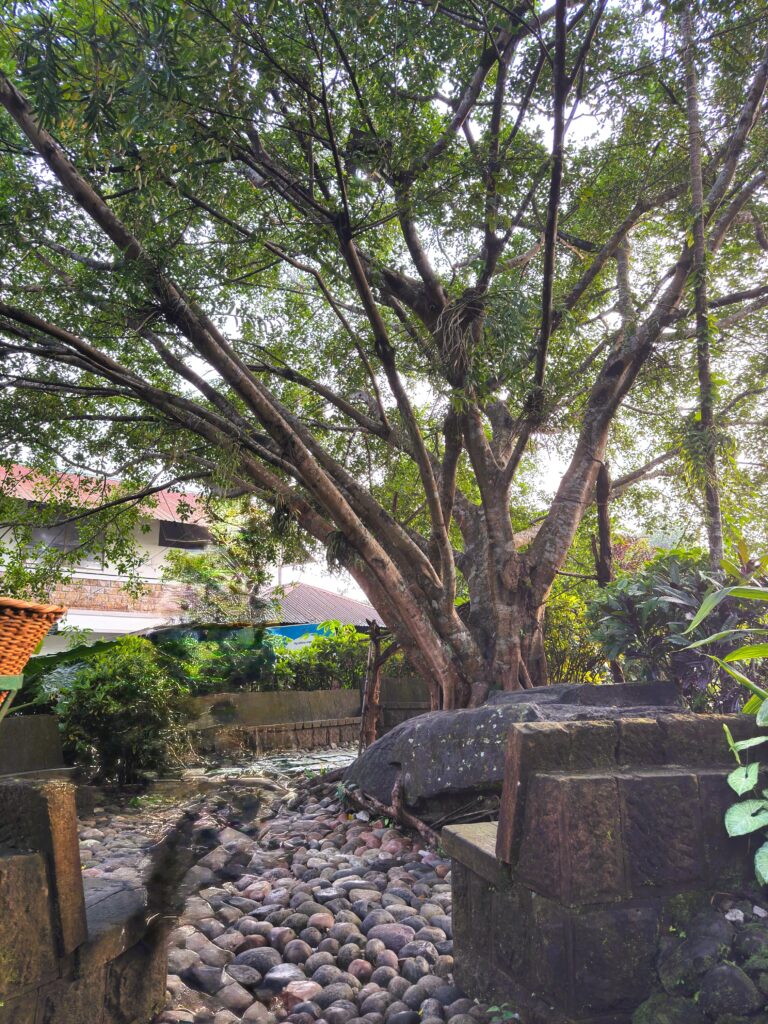
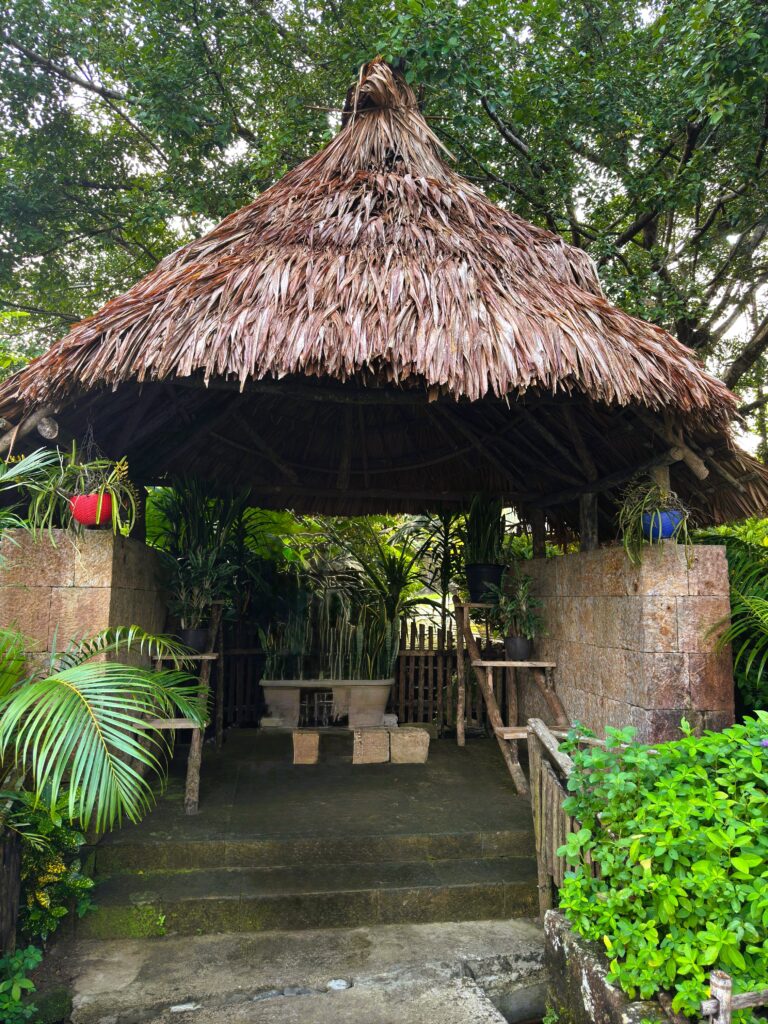
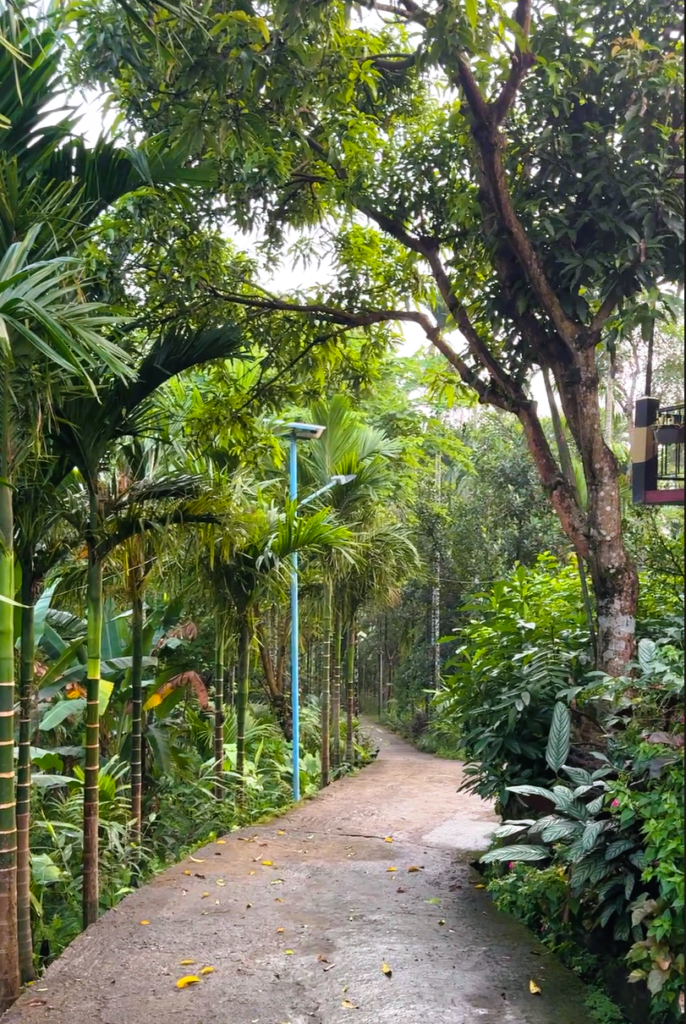
The village is not very big in itself. There is a dedicated main road for tourists. On the sides of this road you will find many homestays which might have earlier been residence of the local population. There are many cute places for clicking pictures. There is a small pond with lilies growing and a small bush of pitcher plants, the real insect eating pitcher plants. Betel palm farms are present on the edges of the village. There is a bamboo watch-tower at the end of the village from where you can enjoy sunsets and the all-round view of Mawlynnong. There is a separate ticket for accessing it. If you want to explore the village life of the local people, you may stray down the concrete paths branching off of the main road and see the residents going about their business as usual.
Cleanliness and maintenance
The village is very clean There are small bamboo baskets doubling as dustbins kept every 100 metres or so all around the village. The waste and water management are sustainable and integrated into the everyday livelihood of the people. It is also very lush with shrubs and trees all over. Meghalaya as a state itself appeared very clean but this village was exceptional. We can take a leaf or two out of the daily habits of people and the administration of this village to make our own cities cleaner and more livable.
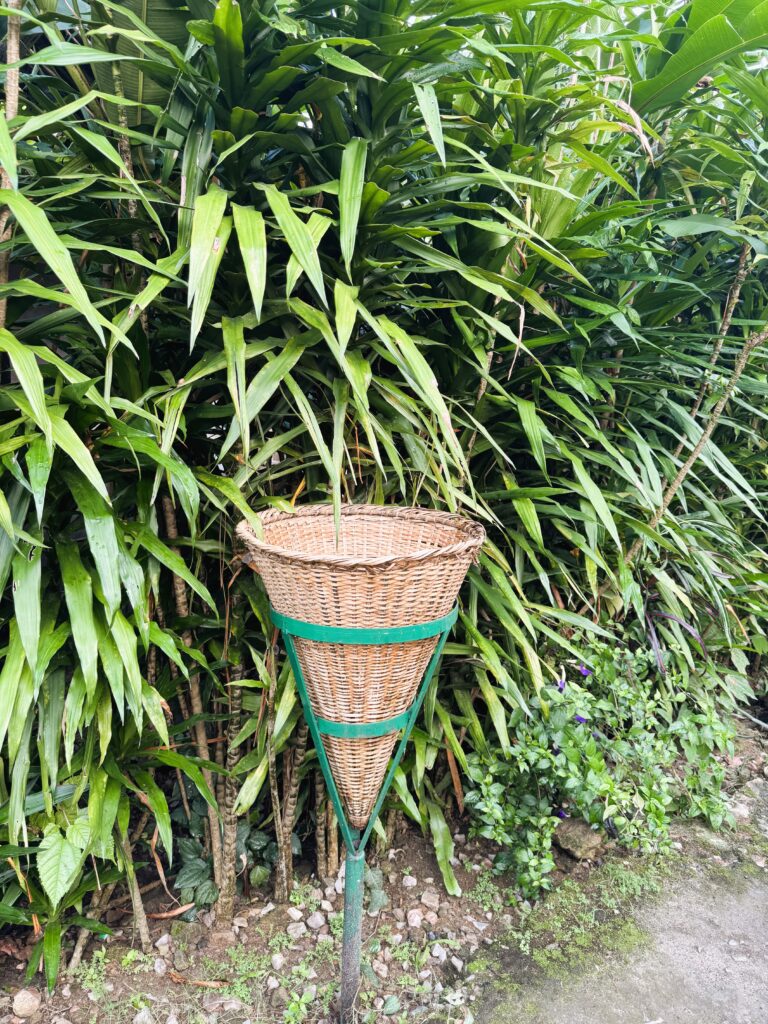
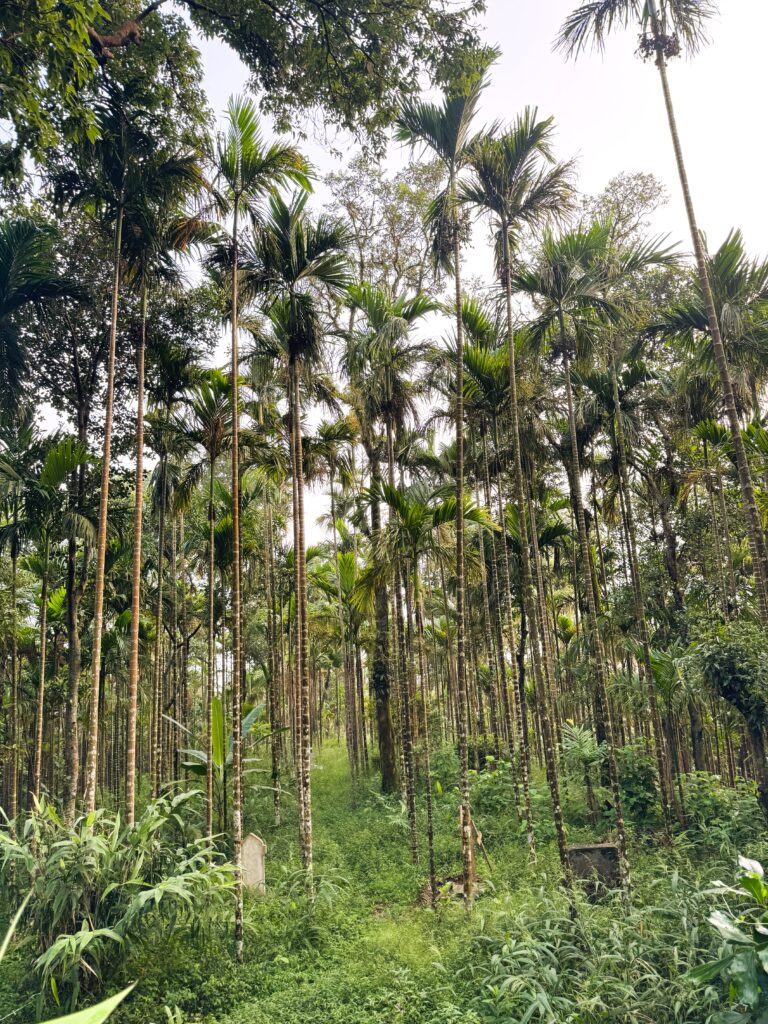
The place however clean and well maintained did not feel very natural. This is a very personal opinion and most of you may differ from my viewpoint. It seemed like a very artificial touristy place to me. There were more tourists than local people int he village. You may visit the place for two reasons. First, as it has now become a landmark in Meghalaya tourism. Second, to understand how the ecosystem manages waste and cleanliness of the place. If you are interested in neither you may skip it.
Niriang falls
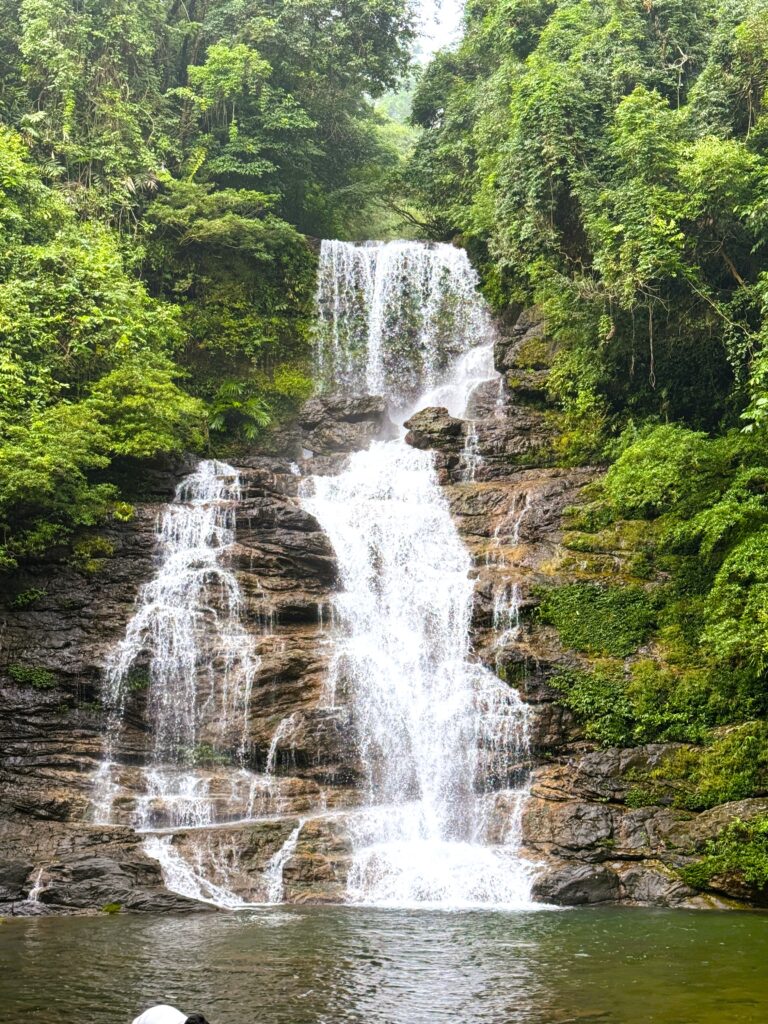
This is a hidden fall, not very touristy and an hour before you arrive Mawlynnong. This requires a small trek of 100 odd very slippery steps. It appeared that the waterfall might not even be accessible during the monsoons. The entrance is a small garden like place on the side of the road to Mawlynnong, If you do not notice you will easily miss the place. There are no sign boards indicating presence of a waterfall nearby.
As you trek down, you first hear the sound of the river and slowly the waterfall emerges from behind the trees. It is also a step waterfall with a large enough pool at the foot to take a swim. There were so many butterflies here that they appeared in every photo that we clicked here. The fall in itself is majestic.
Natural Root bridge
A little less than half an hour away from Mawlynnong there is an easily accessible natural bridge in a jungle which is frequented by tourists of all ages. A natural bridge is a not entirely natural as it involves human intervention at various times. The terrain of Meghalaya is hilly. To travel between places, one needs to cross streams, small valleys and difficult paths. To solve these problems, the ancient tribal people of these hills used the tree roots for making bridges. They intertwined the roots of nearby trees and gave them direction in order that these roots over a period of hundreds of years hardened and took the shape of bridges. Then, they either used ropes to male hand rails or used thinner roots and branches and prepared a fully functional bridge. There are many such bridges spread all over Meghalaya.
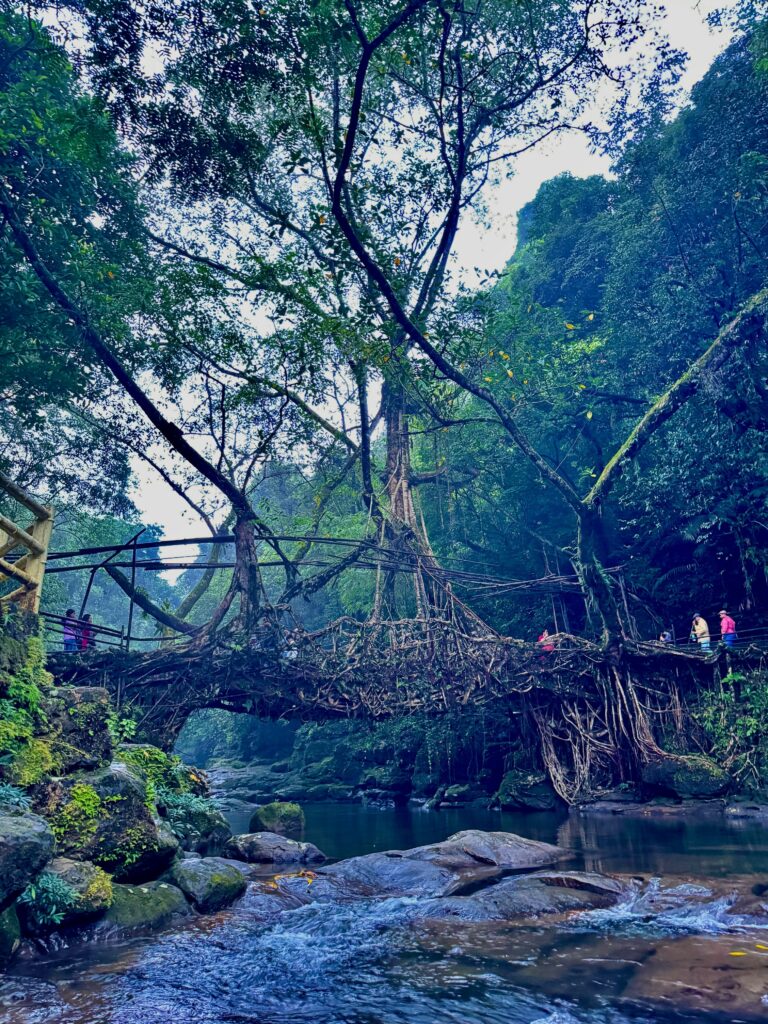
These are natural marvels that needed no new technology but formed a robust infrastructure by sheer minimal intervention of humans. Walk on the bridge to experience how sturdy they can be. Spend some time near the stream watching fish or admiring the surrounding jungles.